
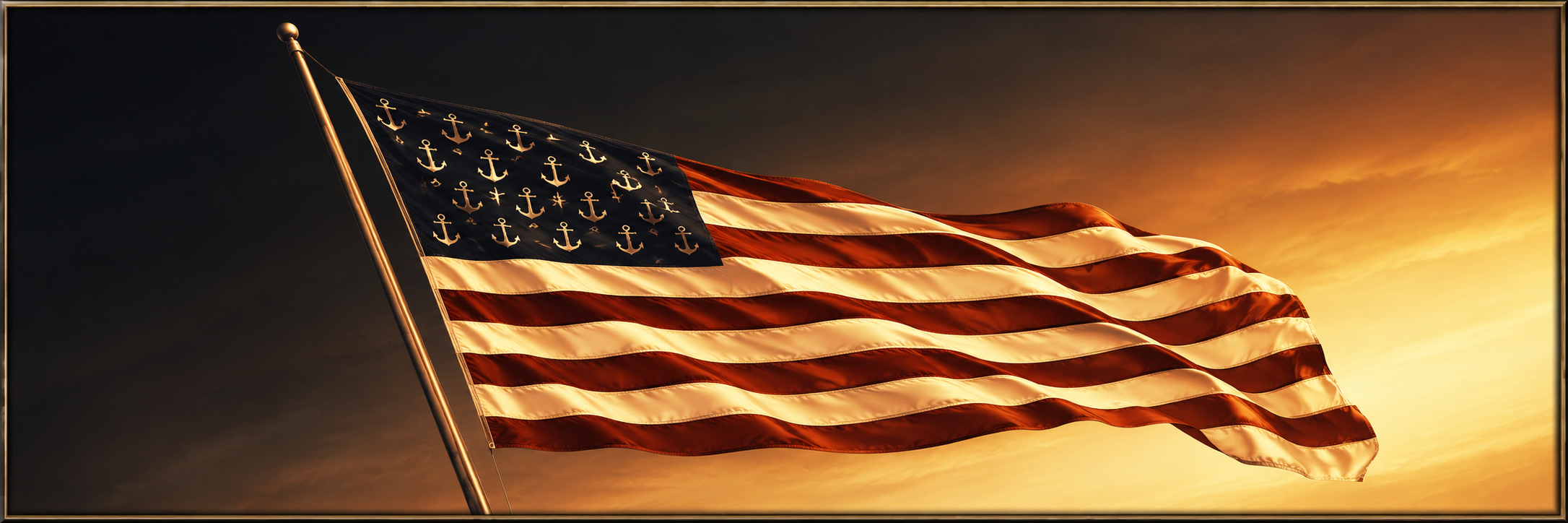
“I love America more than any other country in the world and, exactly for this reason, I insist on the right to criticize her perpetually.” — James Baldwin
WORTH KNOWING TODAY
The Fourth of July is easy to flatten. Some turn it into pure celebration: flags, fireworks, freedom. Others turn it into pure indictment: hypocrisy, flaws, violence. Both are too simple. America has always been both promise and contradiction. It declared liberty while denying it. It spoke of equality while building hierarchies. It created some of the most powerful language of human freedom while failing, again and again, to live up to it. That does not make the promise meaningless: It makes the promise unfinished.
To love a country well is not to worship it. It is to tell the truth about it and then ask what your life should repair, protect, or build. Love without truth becomes propaganda. Truth without love becomes contempt. Can you love something enough to tell the truth about it? Patriotism is not pretending your country is innocent. It is accepting responsibility for what it becomes.
TODAY’S MEDIA
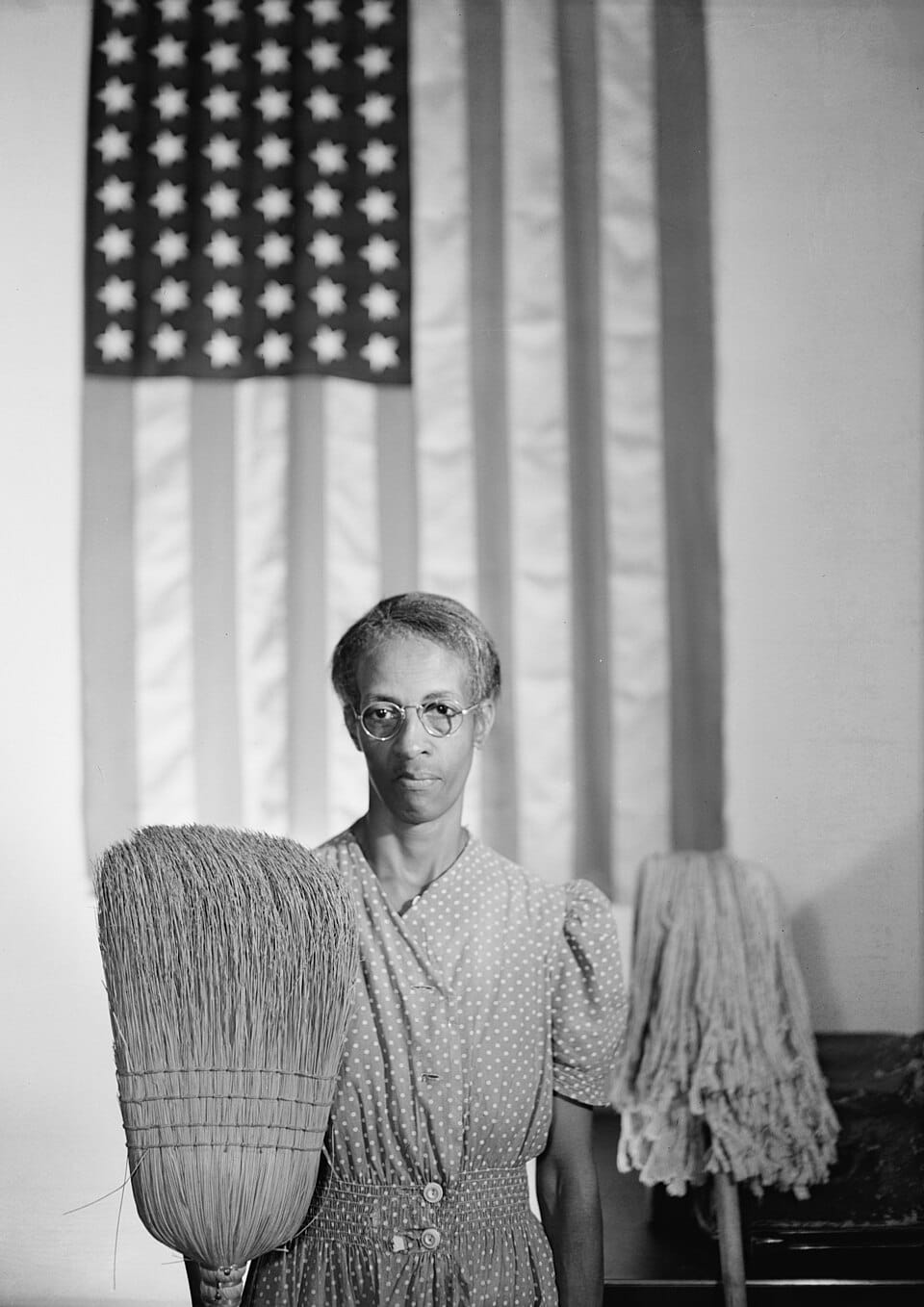
Parks takes one of America’s most familiar images and turns it against itself. Grant Wood’s American Gothic gave the country a vision of rural discipline, dignity, and belonging. Parks keeps the structure, but changes the message. In his version, Ella Watson, a Black government custodian in Washington, D.C., stands before the American flag with a broom in one hand and a mop beside her. Parks’s American Gothic forces America’s idealized self-image to confront the people it depended on but refused to fully honor. It asks whether a nation’s symbols mean anything if the people who clean its buildings, raise its children, and endure its contradictions are excluded from the freedom those symbols promise. Watson’s posture is central: she is not reduced to victimhood, but presented with endurance and dignity. America is unfinished until its highest ideals have been made real for the people who carried them without receiving them.
TODAY’S ANCHOR
Peace - After more than a decade of bitter silence, John Adams and Thomas Jefferson began writing to each other again in 1812 after a friend urged them to reconcile. They exchanged letters for the rest of their lives and died within hours of each other on July 4, 1826. Jefferson infamously wrote "all men are created equal" while enslaving people at Monticello his entire life, a contradiction their friendship never resolved. Their peace wasn't tidy; it resulted from two men choosing relationship across real, unhealed disagreement. Their example inspires a simple practice: write an letter to someone you've become estranged from over principle, modeled on what Rush called "the olive branch."
Stability - Do one act of citizenship where you actually are. Thank someone who serves you. Check on a neighbor. Tell the truth. Make your corner of the country less careless. A nation is not only built in speeches, elections, and wars. It is built in repeated acts of responsibility.
Expression - Benjamin Franklin believed that a good life required regular self-examination. This Independence Day, list five freedoms you enjoy today because someone before you sacrificed for them. Then answer one final question: "How will I use them well today?" Freedom is measured not only by what you're free from, but by what you're free to become.
REFLECTION
Where do I confuse love with loyalty, and loyalty with silence?
WILDCARD
Ask someone older than you what America meant to them when they were young. Listen for the world they inherited, the fears they carried, the hopes they trusted, and the changes they never expected to see.